NEW MEMBER KITS
Welcome!
Please see the New Member Kits based on the Local you are with.
This new member kit is for Local 2711
This New Member Kit is for Locals 456,692,1857,11,550
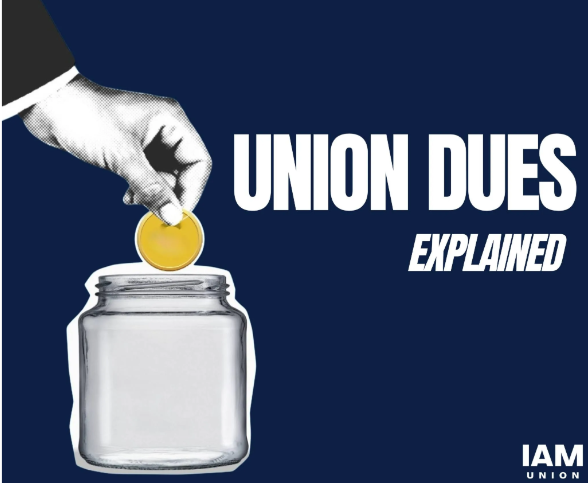
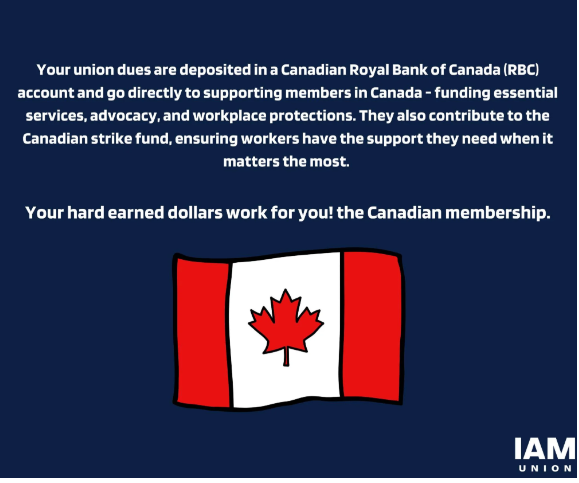
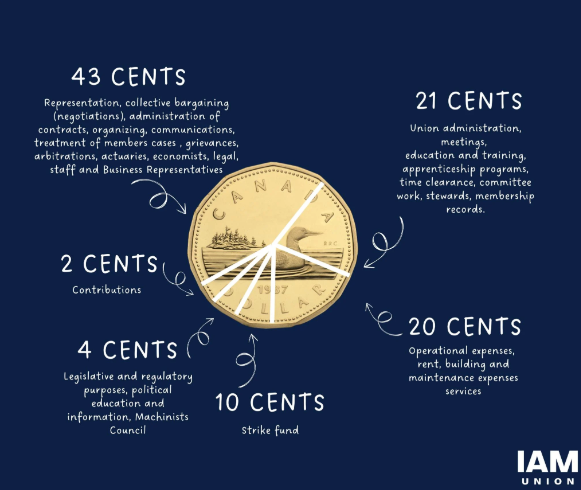
Union Dues Explained
Union dues are regular contributions that members pay to support the activities and services of their union. These fees help fund collective bargaining efforts, legal representation, training programs, workplace safety initiatives, and other services that protect and improve workers’ rights and conditions. Paying dues ensures that the union has the resources to advocate effectively on behalf of its members, maintain a strong collective voice, and respond quickly to workplace issues. In essence, union dues are an investment in better wages, benefits, protections, and a fairer work environment for all members. You can download these pictures from our Educational Series and share them on your social media to help spread awareness and encourage others to learn more.
Union vs Non-Union
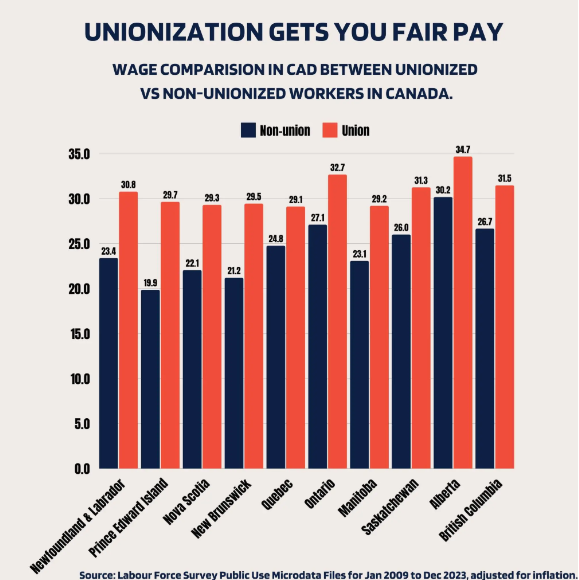
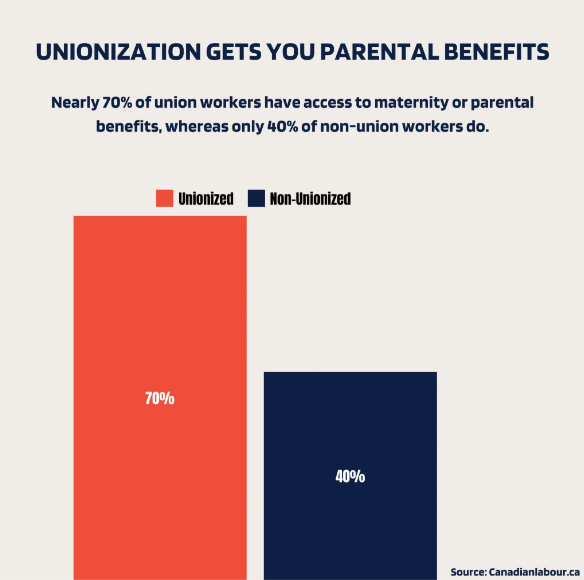
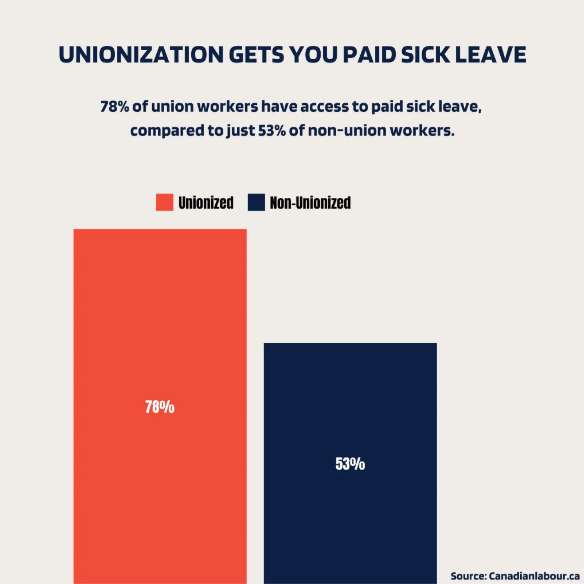
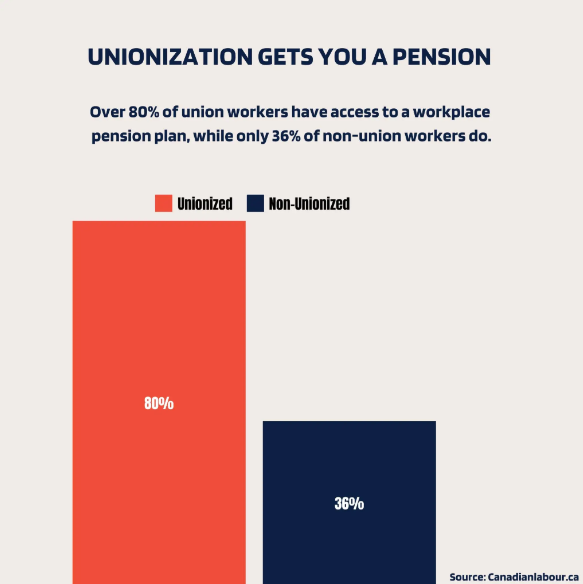
Union vs Non-Union is a series that explores the key differences between being unionized and non-unionized, showing the real impact on workers’ lives. It explains how union membership gives employees the ability to negotiate higher wages, better health and retirement benefits, safer working conditions, and stronger protections of their rights. By contrast, non-unionized workers often face lower wages, fewer or no pensions, limited job security, and little to no recourse if treated unfairly. You can download these pictures from our Educational Series and share them on your social media to help spread awareness and encourage others to learn more.
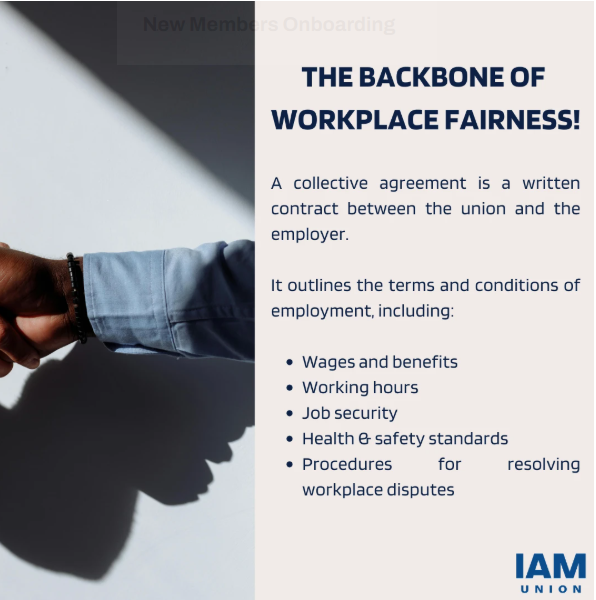
The Power of Collective Agreements
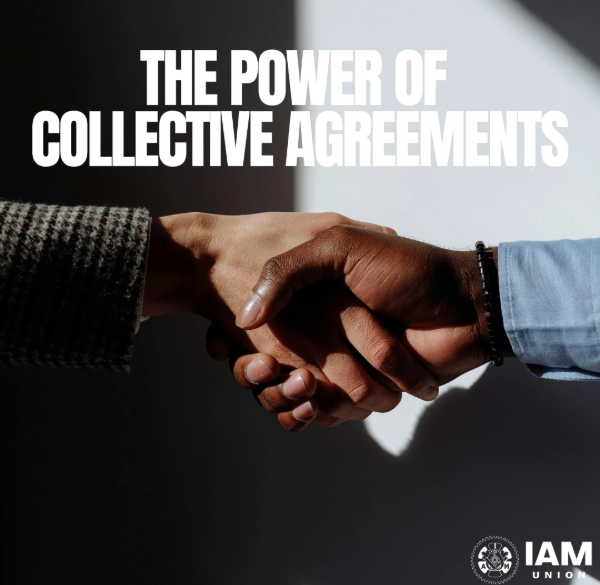
The Power of Collective Agreements highlights how unions use their collective strength to negotiate binding contracts that protect workers and improve their lives. A collective agreement sets out clear terms for wages, benefits, pensions, vacation, health and safety, job security, and much more; ensuring fairness and consistency across the workplace. Unlike individual negotiations where workers often have little leverage, a collective agreement gives employees a strong, united voice backed by the union’s experience and resources. You can download these pictures from our Educational Series and share them on your social media to help spread awareness and encourage others to learn more.
What Is A Grievance?
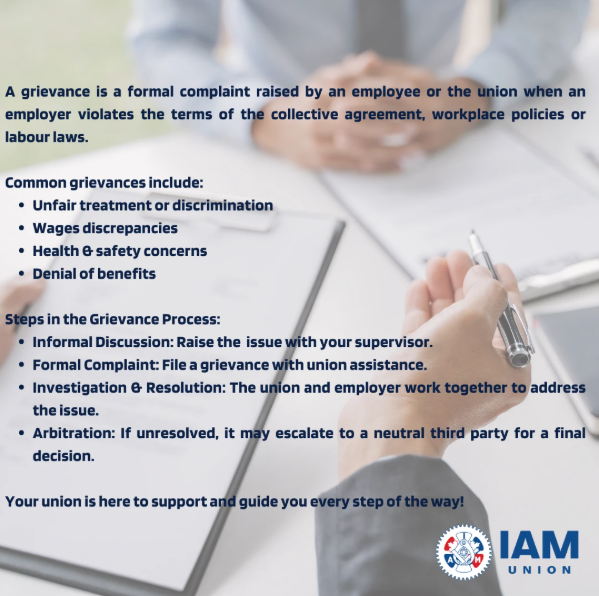
A grievance is a formal complaint filed by a worker or group of workers when they believe their rights under a collective agreement or labour law have been violated. Grievances can involve issues such as unfair treatment, unsafe working conditions, incorrect pay, or violations of workplace policies. Filing a grievance allows employees to address problems through a structured process, often involving meetings with management, union representation, and sometimes arbitration if the issue cannot be resolved internally. This process ensures that workers have a fair and organized way to protect their rights, resolve conflicts, and hold employers accountable. You can download these pictures from our Educational Series and share them on your social media to help spread awareness and encourage others to learn more.
Why Are Unions Involved In Politics?
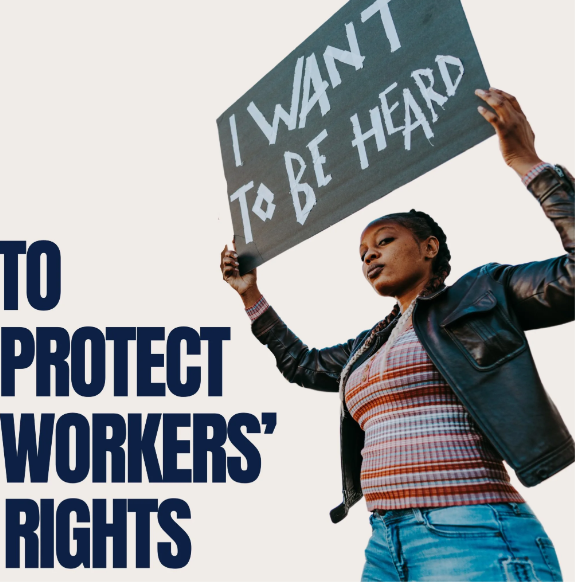
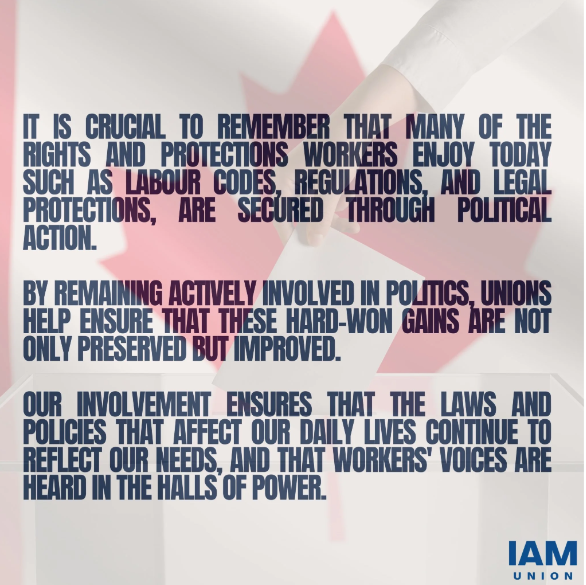
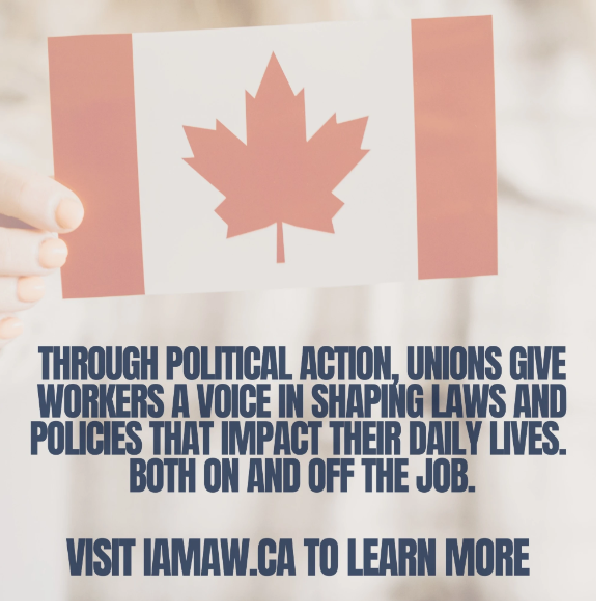
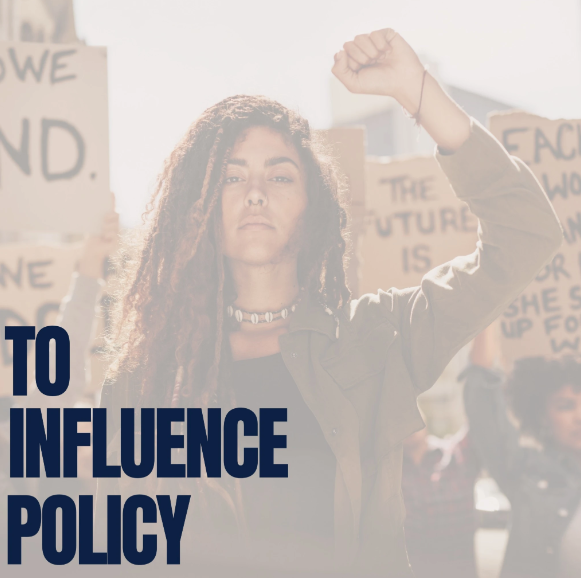
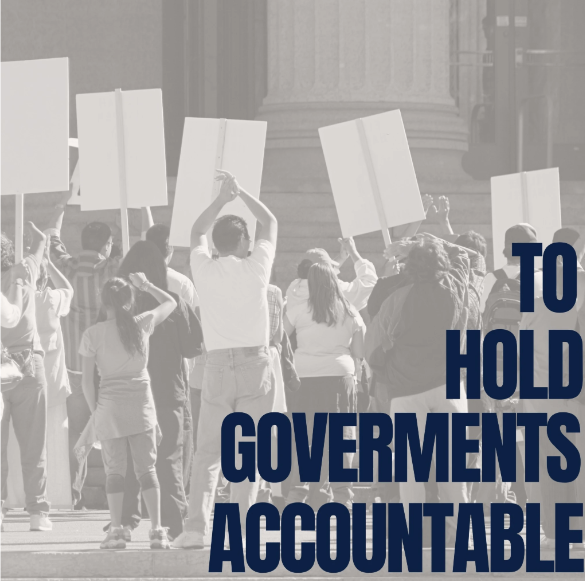
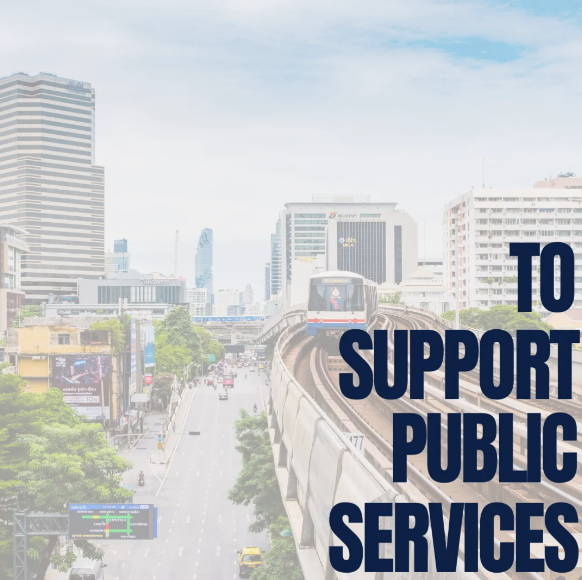
Unions are not just about the workplace, they also play a crucial role in shaping the laws and policies that affect workers’ lives every day. Governments make decisions on wages, pensions, health and safety standards, healthcare, education, and labour rights. By being involved in politics, unions ensure that workers’ voices are heard when these decisions are made. Political action helps unions protect hard-won rights, push for fairer laws, and advocate for stronger protections and better opportunities for all workers and their families. Without political involvement, many of the benefits workers enjoy today, like weekends, minimum wage, and workplace safety standards, would not exist.You can download these pictures from our Educational Series and share them on your social media to help spread awareness and encourage others to learn more.
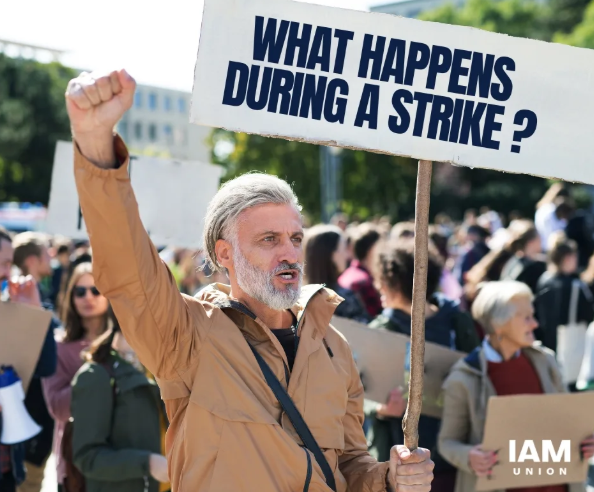
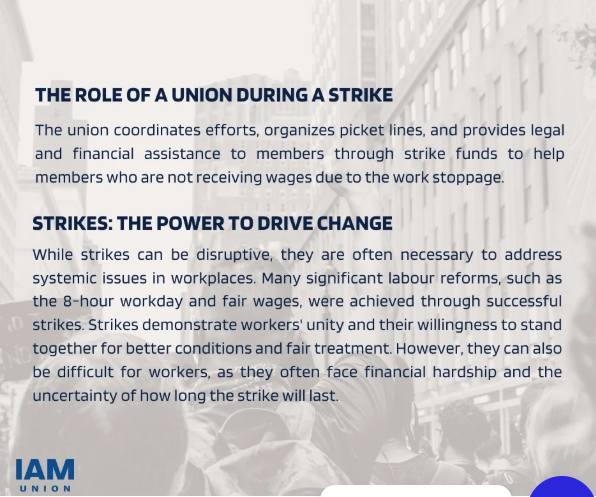
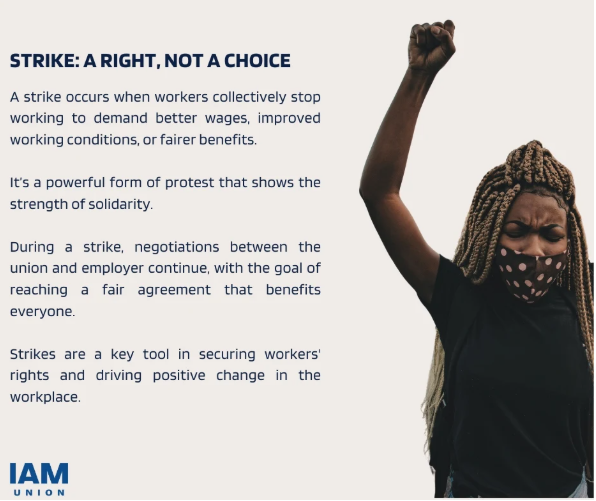
What Happens During A Strike?
A strike is a powerful tool workers use to defend their rights and negotiate better working conditions when negotiations with employers reach an impasse. During a strike, employees collectively stop working to show their unity and highlight the importance of their demands. Strikes can involve picket lines, public demonstrations, and media campaigns to raise awareness and gain support from the community. While work temporarily stops, strikes are carefully planned and coordinated to ensure safety, maintain solidarity, and apply pressure on employers to reach a fair agreement. Strikes are not just about stopping work, they are a visible demonstration of workers’ collective power and commitment to fairness and justice in the workplace. You can download these pictures from our Educational Series and share them on your social media to help spread awareness and encourage others to learn more